February 19, 2026
Here we'll explore the essential tips to ensure your HVAC system operates efficiently throughout the year. By following these strategies, you can maintain a comfortable indoor environment while potentially lowering energy costs and reducing the need for repairs. Proper maintenance of HVAC systems is crucial, given that, according to Workyard, U.S. consumers spend $10 billion annually on HVAC repairs and maintenance. This article will provide you with practical advice and insights into maintaining the longevity and performance of your HVAC system. Let's delve into the steps that will ensure your system functions seamlessly all year round.
1. Regular Maintenance Checks
Maintaining a consistent schedule for checks is one of the best ways to keep your HVAC system running smoothly. Regular maintenance from a professional HVAC contractor ensures that small issues are caught before they turn into significant problems. This involves establishing a timeline for routine inspections, ideally twice yearly, to prepare for both winter and summer demands. Setting a maintenance schedule with reminders can help in keeping your HVAC system in optimal condition. Routine checks also contribute to the efficiency and energy-saving potential of your unit.
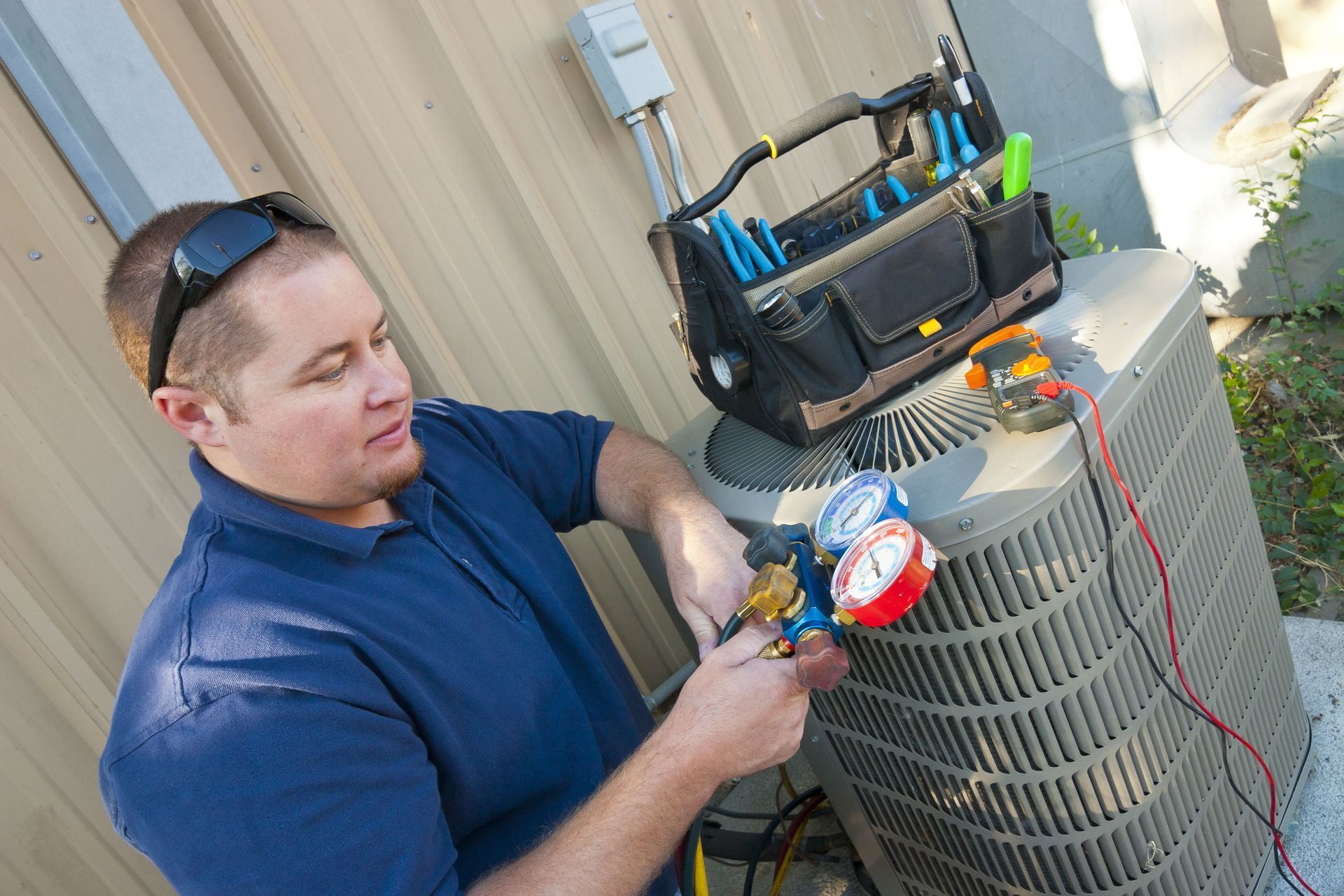
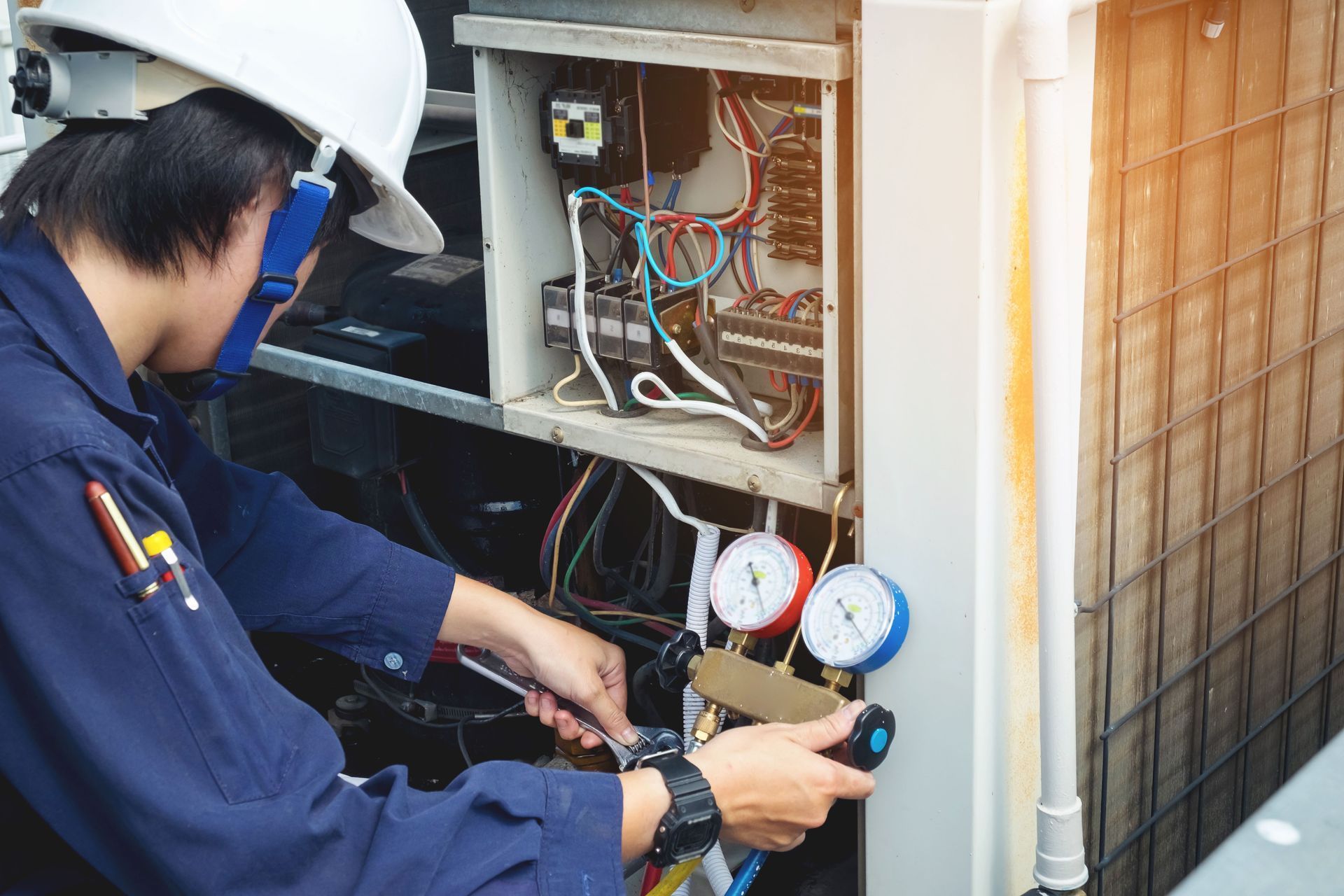
Utilizing professional HVAC inspections from HVAC contractors can identify potential problems that may not be visible during a DIY inspection. Professionals come equipped with the necessary tools and expertise to perform a thorough check. This includes assessing components such as capacitors, refrigerant levels, and electrical connections. It is advisable to engage with an HVAC contractor at least once a year to ensure everything is in peak operational condition. Professional insights can also guide you on whether any parts need replacement or serious repair.
2. Efficient Air Filter Management
Air filters play a crucial role in maintaining the efficiency of your HVAC system. Understanding their purpose and function is key to overall HVAC maintenance. Air filters trap dust, pollen, and other airborne particles, preventing them from entering the system and ensuring clean air circulation. Clogged or dirty filters force the system to work harder, leading to increased energy consumption and potential damage. Therefore, efficient filter management is pivotal in maintaining system performance and air quality.
Identifying the appropriate filter type for your system is equally important. Not all filters are created equal, so it is essential to select the one that best suits your specific HVAC model and household needs. Various filter types offer different levels of particle filtration, such as HEPA filters for high filtration, which are perfect for homes with allergy sufferers. Consult the HVAC system manual or a professional HVAC contractor to determine the best option for your unit. This choice can significantly affect both air quality and system efficiency.
Implementing a regular replacement routine for air filters is vital. Typically, filters should be changed every one to three months, depending on the usage and environmental conditions. Frequent filter changes not only prolong the system's lifespan but also contribute to reducing energy bills by enhancing system efficiency. Keeping a record of replacement dates helps in maintaining a consistent schedule. Regular filter changes are a simple yet effective way to keep your HVAC system running efficiently.
3. Optimized Thermostat Settings
Optimizing your thermostat settings can lead to improved HVAC efficiency and comfort in your home. Begin by determining the ideal temperature ranges for different times of the year. Maintaining moderate temperature settings can reduce energy consumption, providing significant savings on utility bills. During winter, set the thermostat a few degrees lower when away from home, and during summer, set it higher. Properly adjusted thermostat settings can maintain a comfortable environment without putting undue pressure on your HVAC system.
The use of programmable thermostats can be a game-changer in system efficiency. These devices allow you to pre-set temperature adjustments based on your daily schedule, ensuring optimal performance at all times. Programmable thermostats can automatically reduce heating or cooling during times when the home is empty, thus saving energy. Program the devices to start heating or cooling shortly before you arrive home, balancing comfort with efficiency. This technology offers convenience and efficiency, adapting to your lifestyle needs.
Another modern option to consider is smart thermostats, which provide even greater control over your HVAC system. These advanced devices allow remote control via smartphones or computers, enabling temperature adjustments from anywhere. Smart thermostats learn your preferences over time and adjust settings automatically. They also provide insightful data on energy consumption, helping you pinpoint further opportunities to save. The integration of smart technology offers a significant boost to system efficiency and ease of use.
4. Consider Air Quality Enhancements
Enhancing air quality within your home can dramatically affect the efficiency of your HVAC system. One way to achieve this is by investing in quality air purifiers. These devices help reduce airborne pollutants and allergens, providing cleaner air for your HVAC system to circulate. Cleaner air reduces strain on the HVAC system as filters do not clog as quickly. The combined effect of air purifiers and efficient air filters leads to improved indoor air quality and system performance.
Integrating humidifiers or dehumidifiers with your HVAC system is another effective air quality enhancement. Maintaining optimal humidity levels can prevent the build-up of molds or mildew, which might otherwise compromise both air quality and system efficiency. A humidifier can add moisture during the dry winter months, while a dehumidifier can reduce excess moisture during the summer. Balancing indoor humidity is crucial for preserving building materials and enhancing comfort. These integrations support the overall longevity of your HVAC system by maintaining ideal operational conditions.
Regular ventilation and identifying pollutant sources are critical for maintaining excellent air quality. Open windows or use exhaust fans to ensure fresh air flow through different parts of your home. Eliminate sources of pollution, such as tobacco smoke or chemical-laden cleaning products. Efficient ventilation systems, combined with reducing pollutant sources, aid in maintaining air quality while minimizing the load on your HVAC system. By focusing on air quality, you contribute to a healthier living environment and optimized system performance.
5. Sealing and Insulation of Your Home
An often-overlooked aspect of HVAC efficiency is the sealing and insulation of your home. Understanding heat loss and gain is essential to improving your HVAC system’s performance. Well-insulated homes maintain temperature more effectively, reducing the demand on heating and cooling systems. Start by inspecting the insulation levels in your attic, walls, and floors, ensuring they meet current standards. A well-insulated home can significantly lower energy consumption and enhance system efficiency.
Conducting annual insulation inspections can reveal opportunities for improvement. Identify areas with inadequate insulation or common leakage points, such as around windows and doors. Caulking or applying weatherstripping can resolve minor leaks and drafts, improving the home’s overall energy efficiency. These small steps can prevent warm air from escaping during winter and hot air from entering during summer. Regular inspections ensure that your home remains well-insulated year-round, optimizing your HVAC system’s performance.
Exploring advanced insulation solutions may also offer additional benefits. For example, reflective insulation or radiant barriers can reduce cooling costs in hot climates. Upgrading to energy-efficient windows or installing door sweeps can minimize energy loss. These solutions, combined with regular inspections and maintenance, can greatly improve your home’s energy efficiency. The overall impact of these efforts is a more comfortable indoor environment and enhanced HVAC efficiency.
By incorporating these tips into your regular home maintenance routine, you can ensure your HVAC system runs smoothly all year long. Not only will this improve your comfort, but it will also enhance the system’s longevity and efficiency, likely saving you money in the long run. Regular maintenance checks, efficient thermostat management, and proper air quality enhancements are vital components for robust HVAC operations. Attention to ductwork and home insulation further supports energy efficiency. Committing to these practices translates into an optimized HVAC system and a healthier, more comfortable living environment. For an
HVAC contractor
you can count on, contact Absolute Value AC LLC today.